
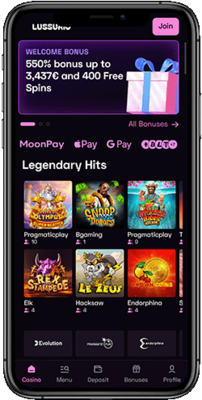
Payment pages can be more complicated than they first appear, especially when the same cashier shows cards, bank transfers, e-wallets, vouchers and cryptocurrency together. For readers comparing the lussurio casino online experience, the most useful approach is to assess each option by currency, ownership checks, withdrawal suitability and the conditions displayed at the time of use. A method that is convenient for deposits may not support withdrawals, while a lower-cost option may require additional verification. The following guide explains how to navigate those choices without assuming that every listed method is available to every Canadian account.
Start with the cashier, not the payment logo
A payment logo is only an indication that a route may be supported. Availability can depend on the account’s country, selected currency, bank, transaction amount and the cashier profile shown after login. Canadian-focused information lists CAD alongside other currencies and names options such as Interac, Visa, Mastercard, Skrill, Neteller, MiFinity, bank transfers, Rapid Transfer, Paysafecard and Neosurf. Cryptocurrency routes may also include Bitcoin, Ethereum, Litecoin, Dogecoin, stablecoins and other digital assets.
The practical first step is to open the cashier and separate the options into deposits and withdrawals. Some methods are deposit-only, while others may be available for both directions. Do not assume that a familiar card or wallet can receive funds simply because it can send them. The cashier should show the applicable minimum, currency, processing status and any relevant restrictions. If an option is missing, it may not be enabled for the account rather than being permanently unavailable.
Before choosing, note whether the displayed amount is in CAD or another currency. Published material gives different thresholds across markets, with Canadian listings commonly describing a deposit minimum around CA$15 and a withdrawal minimum around CA$35. These figures should be treated as indicative rather than guaranteed account rules. The cashier’s current figures and the operator’s terms take priority, particularly where a method applies its own minimum or maximum.
Which method fits the transaction?
Cards are familiar and can be straightforward for a deposit, but they may be less suitable for receiving a withdrawal. Interac can be attractive to Canadian users who prefer a domestic banking route, although its availability and exact form should be checked in the cashier. Bank transfers may suit larger or more traditional transactions, but they generally require more banking details and can take longer than an instant electronic option.
E-wallets such as Skrill, Neteller and MiFinity can provide a layer between a bank account and the gaming account. They may be convenient for users who already maintain a verified wallet, but opening or funding the wallet can involve separate identity checks and fees. Vouchers such as Paysafecard or Neosurf can help users avoid sharing card details directly, yet they may be intended for deposits only and are not automatically suitable for withdrawals.
Cryptocurrency can offer a different settlement process, but it introduces issues that ordinary payment methods do not. The value of a digital asset can change, wallet addresses must be entered accurately, and a transaction sent on the wrong network may be difficult or impossible to recover. Choose a method based on the complete journey: funding, possible withdrawal, records, fees, currency handling and your ability to resolve an error.
Check the withdrawal route before depositing
The most common usability mistake is selecting a deposit method without considering how money could later leave the account. Payment information indicates that withdrawals may be limited to a previously used deposit method and can require proof that the method belongs to the account holder. This means a route that works for funding may still lead to a request for additional documents before a payout is processed.
Review the withdrawal screen before committing a larger amount. Look for the minimum withdrawal, available methods, any displayed ceiling and whether the selected route matches the original deposit channel. Canadian-focused descriptions cite an approximate CA$700 limit per request and CA$1,400 daily, while international descriptions use different currency equivalents. Such figures can vary by currency, method and account, so they should not be treated as universal promises.
Processing also has separate stages. A casino-side review may be listed as taking up to 72 hours, after which the payment provider or bank may add its own time. Indicative descriptions place cryptocurrency delivery at 0–24 hours, cards and e-wallets at 24–48 hours, and bank transfers at three to five business days. Verification, compliance reviews or a game-provider investigation can extend those windows. Keep transaction confirmations until the payment is complete.
Read the conditions behind the displayed amount
A payment method does not remove account or promotion conditions. A deposit connected to a bonus may be subject to wagering rules, excluded games, a qualifying amount or a restriction on withdrawing bonus funds. Even where no promotion is involved, published information indicates that deposits may need to be played through before withdrawal. The relevant terms should be read before accepting an offer or transferring money.
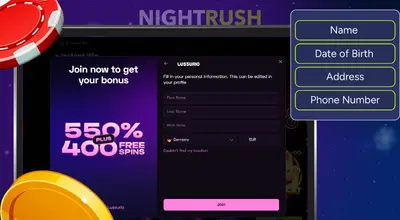
Identity and payment ownership checks are another important condition. Registration information must be accurate, and verification may request government-issued identification, proof of address and documents showing ownership of the deposit or withdrawal method. Reviews are often described as taking up to 72 hours, but additional checks can take longer. Using a payment account in another person’s name can create avoidable problems.
For general guidance on evaluating financial services, the Financial Consumer Agency of Canada’s consumer resources offer useful information about fees, transactions and protecting personal financial details. That material does not confirm casino-specific rules, but it can help users form sensible habits: keep receipts, review transaction descriptions, use secure accounts and question unexpected requests for information.
Use a simple comparison before choosing
A short comparison can make the cashier easier to navigate. Write down the method’s deposit minimum, withdrawal minimum, expected review stage, provider fee and whether the route is available in CAD. Then mark whether it supports withdrawals and whether it requires a separate wallet or bank account. This turns a long list of logos into a decision based on practical use rather than familiarity.
- For convenience: consider a method already verified and available in your own name.
- For traceability: retain bank, card, wallet or blockchain confirmations.
- For withdrawals: confirm that the route is listed for payouts before depositing.
- For currency control: check whether conversion happens through the cashier, bank or payment provider.
- For privacy: review what information the method and operator require.
After selecting an option, make sure the transaction summary shows the intended amount and currency before confirming. Avoid splitting a payment across unfamiliar routes merely to test them, as multiple methods can make ownership checks and record keeping more complicated. If a transaction remains pending, contact support with the date, amount, method and reference number rather than sending repeated deposits.
Finally, keep the payment choice separate from the decision to gamble. A fast method can make funds move quickly in both directions, so account controls such as deposit, loss, wagering or session limits remain useful. If the cashier’s current information conflicts with a directory or advertisement, rely on the account display and applicable terms, and ask support for clarification before proceeding.
Payment-method FAQ
Can a Canadian deposit method always receive a withdrawal?
No. Some routes are deposit-only, and withdrawals may be restricted to a previously used method or a verified account. Check the withdrawal section of the cashier before depositing. The operator may also request proof that the payment account belongs to you, particularly when a payout or account review is pending.
Why might the amount or limit differ from published information?
Payment thresholds can vary by currency, country, method and account profile. Canadian descriptions may show different figures from international listings, while the cashier can change its displayed limits. Treat published amounts as guidance only and confirm the current minimum, maximum and any provider fees before completing a transaction.
What should be kept after making a payment?
Save the transaction confirmation, date, amount, currency, payment reference and screenshots of any relevant cashier message. For cryptocurrency, retain the wallet address and transaction hash. These records can help support investigate a pending deposit or withdrawal and make it easier to identify whether a delay occurred with the operator or payment provider.